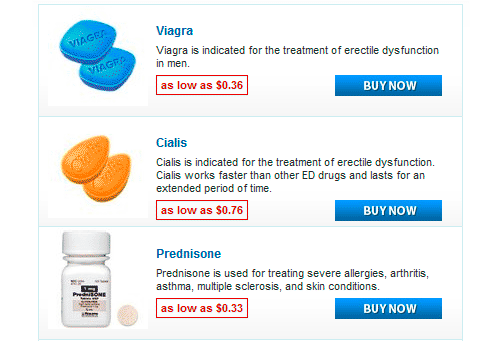

Viagra’s high cost frequently sparks debates about healthcare affordability and access. Studies show significant price variations across countries, highlighting disparities in pharmaceutical pricing policies. This necessitates a critical examination of drug pricing models and their impact on patient access.
The drug’s inclusion or exclusion from various insurance plans directly affects patient out-of-pocket expenses. Analyzing insurance coverage data reveals a complex interplay between formularies, cost-sharing mechanisms, and patient affordability. This data informs discussions on the role of government regulation in managing prescription drug costs.
Public health discussions frequently focus on the ethical implications of prioritizing Viagra coverage versus other medications. Comparisons of cost-effectiveness analyses for Viagra against other treatments for erectile dysfunction and other health conditions are crucial for transparent healthcare resource allocation. This requires a nuanced understanding of both the clinical benefits and economic implications.
Research into the long-term health impacts of Viagra use, including potential side effects and interactions with other medications, informs ongoing safety discussions. Data from long-term clinical trials provide valuable insights for healthcare professionals and patients, improving informed decision-making regarding treatment choices.
Finally, Viagra’s market position and the role of pharmaceutical companies in influencing pricing and access fuel conversations regarding industry practices and their influence on healthcare policy. Transparency regarding research and development costs, profit margins, and marketing strategies is necessary for fostering fair and equitable healthcare systems.